

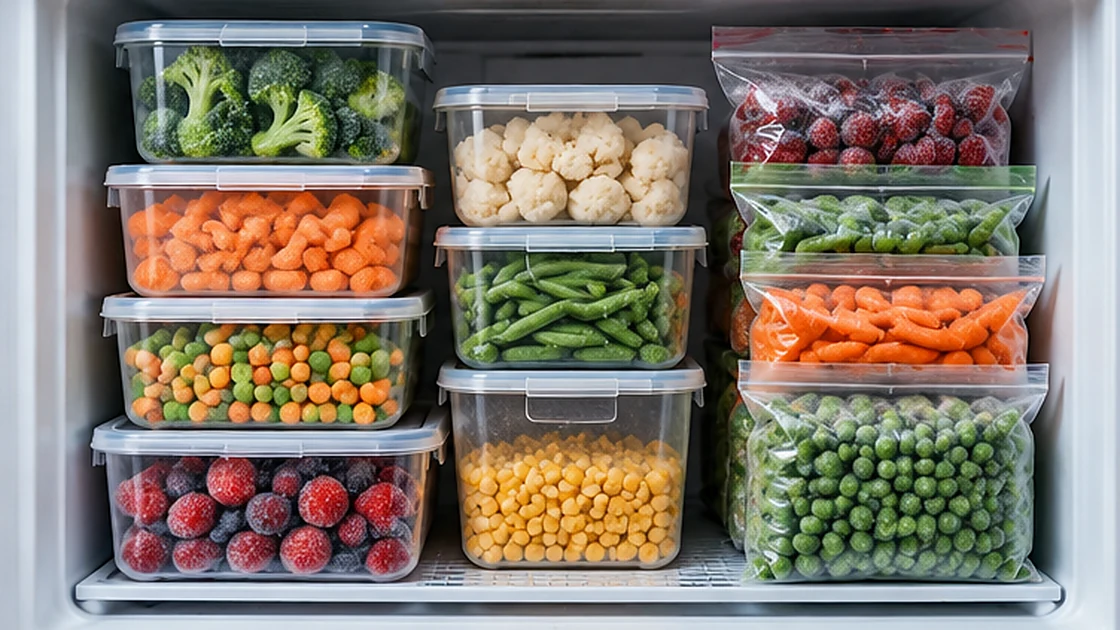
Make frozen-food storage easier with practical advice on freezer temperature, labelling and thawing.
Choose a stable freezer temperature
A common freezer target is approximately -18°C (0°F). USDA guidance uses 0°F for preserving frozen-food quality. This does not mean that every item has unlimited quality life: packaging, handling and temperature swings still matter. Check the appliance setting and avoid leaving the door open for long periods.
Portion and label clearly
Freeze food in meal-sized portions. Label each package with its contents, preparation date and portion size. Keep raw and cooked items organised to avoid confusion. A first-in, first-out rotation is more useful than stacking unlabelled bags until they disappear at the back.
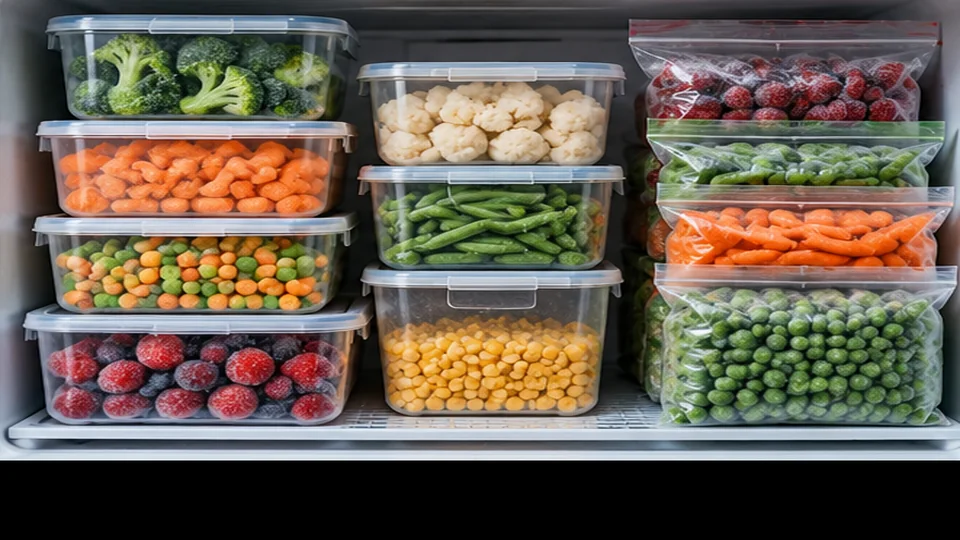
Thawing is part of safe storage
Avoid leaving perishable frozen food on the counter for extended periods. Use refrigerator thawing, appropriate cold-water procedures or cooking methods suited to the product. The original handling and storage history matter. Smell and appearance alone cannot establish that a questionable item is safe.
Practical checklist
- Check for a freezer setting around -18°C.
- Label each package with contents and date.
- Use safe thawing methods for the food type.