


Understand the difference between yellow, amber and red warnings and make practical weather-related decisions.
A warning colour is not just rainfall intensity
Warning levels may reflect both possible impacts and their likelihood. The UK Met Office uses yellow, amber and red categories, but national systems are not necessarily identical. Always read the explanatory text attached to the notice and use the issuing weather service for your region.
What to do with a yellow warning
A yellow warning can still matter for travel, outdoor work or a flood-prone location. Read the affected area, start and end times and listed hazards. Review alternative routes or event plans where appropriate. One colour on a map does not mean every street will experience identical conditions.
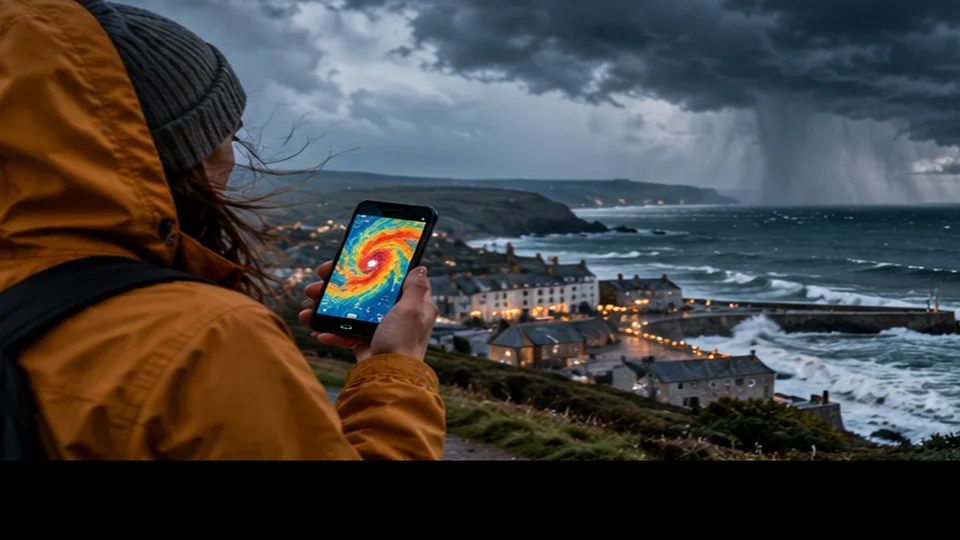
Amber and red warnings require action
For higher-impact alerts, follow the issuing agency’s specific advice, which may include changing travel plans or avoiding exposed places. Prepare for local impacts such as travel disruption, power outages or flooding. In immediate danger, official emergency communications take priority over social-media summaries.
Practical checklist
- Read the warning time window and map area.
- Read the impact description, not just the colour.
- Follow official local emergency guidance.