

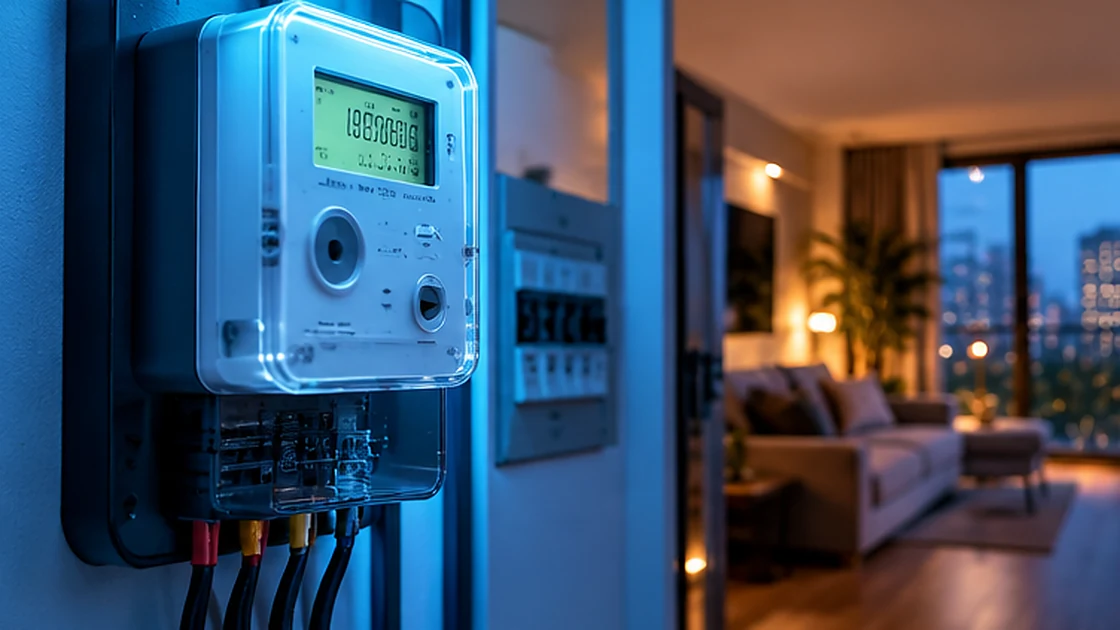
A practical explanation of smart electricity meters, remote readings, consumption records and privacy.
A meter is not the entire system
A meter measures consumed electrical energy. A smart-meter system also involves communications equipment, software and data processing. Technical standards for such systems cover remote exchange of information and management of readings. A digital display alone does not prove that every remote function is available at a particular property.
What a household may gain
Reliable readings can help people understand consumption over time, compare periods and notice unexpected changes. A real-time display, a delayed app chart and a monthly bill are different data products. Check how frequently your utility updates each figure and avoid assuming that a dashboard shows instantaneous power use.
Privacy and validation
Fine-grained usage data can reveal patterns about when a home is active. Protect utility logins and avoid unnecessary third-party permissions. If a bill looks unusual, compare meter identification, billing periods and tariff information first. A suspected meter fault belongs with the responsible utility or qualified professional, not a do-it-yourself electrical repair.
Practical checklist
- Match the meter identifier to the bill.
- Check how delayed app readings may be.
- Leave electrical-panel work to qualified personnel.